
Classical Chinese Medicine
Chinese medicine has been used for over 5,000 years to treat a wide range of medical problems. This ancient tradition utilizes thousands of different substances – mostly plant-derived but occasionally a few mineral and animal substances are used.
The beauty of Chinese medicine is its unmatched ability to identify and treat patterns of illness. As Westerners, we’re used to thinking that if someone has a headache they should take some Advil. And Western herbal medicine works similarly – just replace the Advil with peppermint or feverfew. But Chinese medicine doesn’t work that way at all. These herbal substances are not symptom specific, they are grouped with other herbs to treat a certain type of person with a certain condition. This is what makes Chinese herbs so powerful: this framework doesn’t treat everyone as being the same. An overweight person who eats lots of fried food and sugar who never sweats and is chronically constipated would be given a completely different formula for a headache than someone who is skinny, sweats for no reason and is easily startled.
While most practitioners of Chinese medicine today use a Traditional Chinese medicine (TCM) framework for diagnosing and prescribing, Xander uses a classical approach. (TCM dates back to the 1950s, Classical Chinese medicine dates back to about 220AD.) The classical framework is largely based on the Shanghan Lun & Jin Gui Yao Lue (Treatise on Cold Damage & Essential Prescriptions from the Golden Cabinet written by Zhang Zhongjing), which comprises a system of herbal medicine which relies on about 60-75 different substances combined in different formulations which pair the disease pattern and the constitution of the person being treated.
When prescribed by a skilled practitioner, Chinese medicine is safe and effective in two ways:
Helping with a specific health problem (e.g. hot flashes, constipation, headaches…)
Strengthening the body to promote health & longevity and prevent illness
Herbal medicine doesn’t merely treat symptoms, it can rebalance a whole person at all levels, address underlying causes for disease, and promote well-being & the manifestation of innate potential. If you’re wondering if Chinese medicine can help you with something you’re struggling with, click the button below to schedule an appointment or a free phone consultation.
Acupuncture
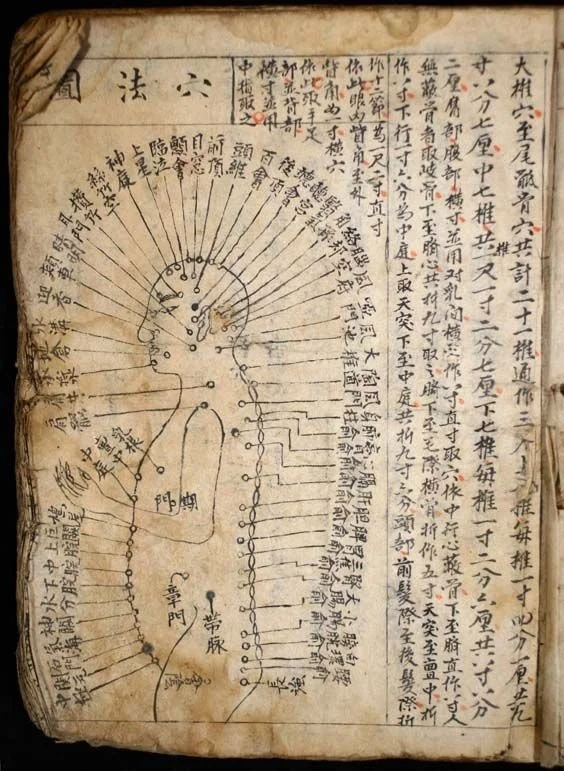
In the United States, acupuncture is the most well-known branch of Chinese medicine. It involves the careful placement of hair-thin, sterile needles through the skin in order to bring about balance and harmony in the body, mind and spirit. The strength of Chinese medicine is in recognizing patterns of disease that are specific to the individual and how that pattern of disharmony interacts with a person's unique constitution.
Acupuncture is a safe & effective alternative to western medicine in the treatment of many diseases, including:
Digestive disorders including IBS & SIBO
Seasonal allergies
Depression & anxiety
Men's & Women's health
Acute & chronic pain
Autoimmune disease